Elderly Care

Patient, respectful support for older adults with growing needs, from daily routines to supervision.

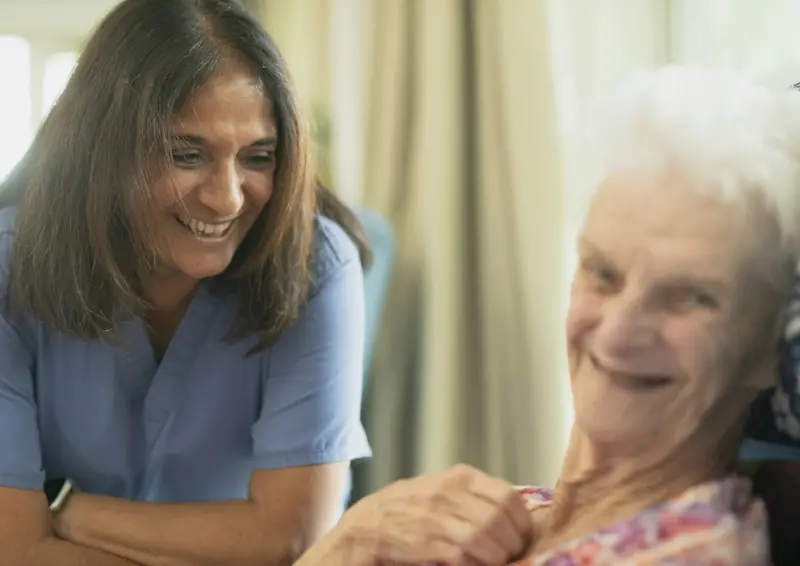
A caregiver smiling with an older woman in her home
Who it helps
Adults in their eighties and nineties whose needs are growing and who benefit from closer support.
Type of care
Non-medical, in your home, by the hour, overnight or live-in
Often combined with
Personal Care, Overnight Care, Medication Reminders

What elderly care includes

Every caregiver sets out exactly which tasks they offer on their profile. These are the most common ones; agree on the details in your care request.

  • Supervision

    Someone nearby so your loved one is not alone for long stretches.

  • Safe moving around

    Steady help with walkers, chairs, stairs and getting up.

  • Personal care

    Bathing, toileting and continence care with privacy and respect.

  • Nourishing meals

    Simple, familiar food and help at mealtimes if needed.

  • Medication reminders

    Prompts at the right times and a note of what was taken.

  • Daily log

    A short record of mood, meals and sleep for the family.

  • Gentle activity

    Short walks, music, photographs and favorite routines.

  • Calm in a crisis

    Knowing who to call and what to do if something seems wrong.

Is elderly care right for your family?

Non-medical help covers daily life at home. Some needs call for a licensed professional instead, and many families use both.

A good fit when

  • Your loved one tires quickly or has fallen before
  • Being alone for long periods is no longer safe
  • Personal care has become hard to manage alone
  • You want consistent help from one or two familiar people

Ask a licensed professional for

  • Skilled nursing tasks or wound care
  • Managing feeding tubes or catheters
  • Medical decisions about treatment or doses

Your loved one's doctor can refer you to a licensed home health agency. Many families combine both kinds of help.

Example schedules

Most families start with a few hours and adjust. Enter an hourly rate to estimate a monthly budget; real rates are set by each caregiver on their profile.

Example rate. Change it to see your estimate.

Daily check-in

14 hours / week

Two hours every day around meals and personal care.

About $1,819 per month

Daytime support

35 hours / week

Five 7-hour days for supervision and routines.

About $4,547 per month

Around the clock

84 hours / week

Day and night shifts shared by two caregivers.

About $10,912 per month

Estimate = hourly rate × hours per week × 4.33 weeks. It excludes any payment processing fee, mileage or overtime. See our guide to care costs.

A closer look at elderly care

Care that adapts as needs change

Elderly care usually means support for someone whose needs are growing: an adult in their eighties or nineties who tires more easily, moves more slowly or needs someone nearby more of the time. The goal is the same as with any good care, to protect dignity and routine, but the pace is gentler and the attention to safety is closer.

Common tasks

  • Supervision during the day so your loved one is not alone for long periods
  • Help moving around the home, using a walker and getting in and out of chairs
  • Bathing, toileting and continence care, with privacy and respect
  • Simple, nourishing meals and help with eating if needed
  • Keeping a daily log for family members who live elsewhere
  • Gentle activity: short walks, music, photographs, puzzles

Questions to ask a caregiver

  • How have you helped someone who was at risk of falling?
  • How do you encourage someone who does not want to bathe or eat?
  • What would you do if my mother seemed confused or unwell during a visit?
  • How would you like to update the family?

Planning for the future

Needs can change quickly after an illness or a fall. It helps to talk early with your loved one, their doctor and other family members about what more support could look like, and how it would be paid for. Our resource center has guides on costs and on aging in place.

Caregivers on CaregiverCrew offer non-medical help. For nursing tasks, therapy or medical equipment, speak to your loved one's doctor about a licensed home health provider.


Questions about elderly care

Short answers to what families ask most. More in our FAQ.

How is elderly care different from senior care?

The tasks overlap. Elderly care usually means closer support for someone whose needs are growing: more supervision, more personal care and a slower, steadier pace.

Do we need more than one caregiver?

For long hours or seven days a week, two caregivers who share the schedule give your loved one consistency and give each caregiver proper rest.

What should we prepare before the first visit?

A one-page guide with the daily routine, preferences, medication reminder times and emergency contacts. Our guide to the first day walks through it.

Find elderly care near you

Compare reviewed caregivers, see their rates and availability, and send a free care request. No obligation.

Caregivers on CaregiverCrew provide non-medical support only. They do not diagnose, treat, administer injections or perform skilled nursing tasks. Rules about what non-licensed caregivers may do differ by state; when in doubt, ask your loved one's doctor.