Personal Care

Hands-on help with bathing, dressing, grooming, toileting and moving around, given with dignity.

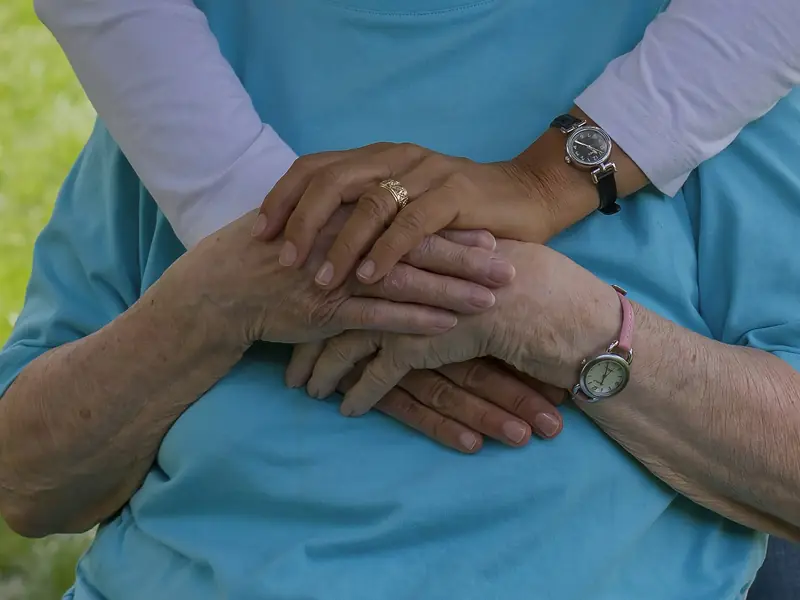
A caregiver gently holding an older person's hands
Who it helps
Anyone who needs hands-on help with bathing, dressing, toileting or moving safely.
Type of care
Non-medical, in your home, by the hour, overnight or live-in
Often combined with
Elderly Care, Post-Surgery Assistance, Disability Support

What personal care includes

Every caregiver sets out exactly which tasks they offer on their profile. These are the most common ones; agree on the details in your care request.

  • Bathing

    Showers, bed baths and hair washing at a comfortable pace.

  • Dressing

    Choosing clothes and help putting them on.

  • Grooming

    Shaving, oral care, nail filing and skin care.

  • Toileting and continence

    Discreet, respectful help, including changing products.

  • Safe transfers

    Bed to chair, chair to standing, in and out of the shower.

  • Comfort in bed

    Repositioning for someone who spends long periods lying down.

  • Help at mealtimes

    Setting up meals and helping with eating if needed.

  • Dignity first

    Asking before helping and letting the person do what they can.

Is personal care right for your family?

Non-medical help covers daily life at home. Some needs call for a licensed professional instead, and many families use both.

A good fit when

  • Bathing or dressing has become unsafe
  • Your loved one prefers help from someone outside the family
  • Mobility is limited after an illness or injury
  • Family caregivers are struggling with lifting

Ask a licensed professional for

  • Changing sterile dressings or treating pressure sores
  • Catheter or ostomy care beyond what your state allows
  • Giving injections

Your loved one's doctor can refer you to a licensed home health agency. Many families combine both kinds of help.

Example schedules

Most families start with a few hours and adjust. Enter an hourly rate to estimate a monthly budget; real rates are set by each caregiver on their profile.

Example rate. Change it to see your estimate.

Morning routine

7 hours / week

One hour every morning for washing and dressing.

About $909 per month

Morning and evening

14 hours / week

Help getting up and getting ready for bed, daily.

About $1,819 per month

Daytime care

30 hours / week

Six hours on weekdays including meals and toileting.

About $3,897 per month

Estimate = hourly rate × hours per week × 4.33 weeks. It excludes any payment processing fee, mileage or overtime. See our guide to care costs.

A closer look at personal care

Help with activities of daily living

Health professionals use the term "activities of daily living" for the basic tasks of self-care: bathing, dressing, grooming, using the toilet, eating and moving from a bed to a chair. When these become hard, a personal care caregiver can help in a way that protects privacy and independence.

What personal care includes

  • Showering, bed baths and hair washing
  • Choosing clothes and help getting dressed
  • Shaving, oral care, nail filing and skin moisturizing
  • Toileting and continence care, including changing products
  • Safe transfers using grab bars, walkers or a transfer belt
  • Repositioning for comfort for someone who spends a lot of time in bed

Dignity first

Many people find accepting help with personal care hard. Good caregivers ask before they act, explain each step, let the person do as much as they can, and keep the conversation natural. If your loved one prefers a caregiver of a particular gender, you can filter for that in the directory.

Experience and training

Some caregivers list training such as Certified Nursing Assistant (CNA) or Home Health Aide (HHA) courses. These are useful, but training listed on profiles is self-reported, so ask to see certificates if they matter to you. Ask too how the caregiver handles transfers safely; it protects both of them.

Personal care is non-medical. Caregivers do not treat pressure sores, change sterile dressings or manage catheters unless they hold the appropriate license and your state allows it.

Questions about personal care

Short answers to what families ask most. More in our FAQ.

Can I choose a caregiver of a specific gender?

Yes. You can filter caregivers by gender in the directory, which matters to many people for personal care.

Do personal care caregivers need certification?

Requirements vary by state and situation. Many caregivers list CNA or HHA training; it is self-reported, so ask to see certificates if they matter to you.

How do caregivers handle lifting safely?

Ask in your interview. Good caregivers use proper technique, grab bars and transfer belts, and will tell you if equipment such as a lift is needed.

Find personal care near you

Compare reviewed caregivers, see their rates and availability, and send a free care request. No obligation.

Caregivers on CaregiverCrew provide non-medical support only. They do not diagnose, treat, administer injections or perform skilled nursing tasks. Rules about what non-licensed caregivers may do differ by state; when in doubt, ask your loved one's doctor.