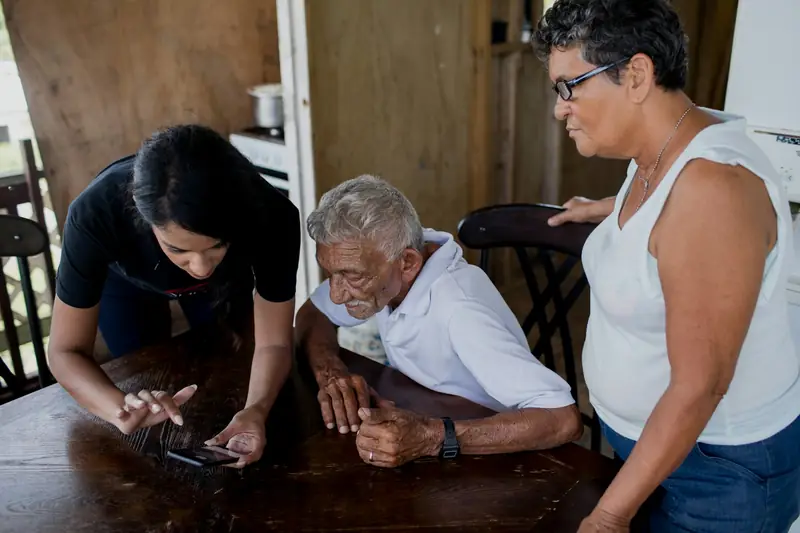
A closer look at senior care
What in-home senior care includes
Senior care is a broad term for the practical, everyday support that helps an older adult stay at home rather than move to assisted living. It is non-medical: the focus is on routines, safety and company, not treatment. A typical visit might combine several of these tasks:
- Companionship, conversation and shared activities
- Help getting up, washing, dressing and grooming
- Planning and cooking meals, and encouraging fluids
- Light housekeeping, laundry and changing bed linens
- Errands, grocery shopping and rides to appointments
- Reminders to take medication at the right time
- Walking together and keeping an eye on fall risks
Signs it may be time for help
Families often notice small changes first: unopened mail, an emptier fridge, missed appointments, a new bruise, or a parent who sounds lonelier on the phone. None of these mean independence is over. A few hours of help each week can take pressure off and keep small problems from becoming emergencies.
How to choose a senior caregiver
Start with what matters most to your loved one, not just the task list. Someone who loves to talk may value a chatty companion; someone private may prefer a calm, efficient helper. On CaregiverCrew you can filter by language, experience and availability, then send a care request to ask about routines, past roles and how the caregiver handles difficult days.
Meet before you book, ideally with your loved one present, and call references. Our safety guide includes a short checklist.
How many hours do you need?
Many families start with two or three visits a week of three to four hours each, then adjust. Others need daily morning help, overnight supervision or a live-in arrangement. Write down a typical day and mark the moments where help would make the biggest difference; that becomes your schedule.
What senior caregivers on CaregiverCrew do not do
Caregivers on CaregiverCrew do not provide skilled nursing, such as injections, wound care or managing IV lines, and they do not decide medication doses. If your loved one needs those services, ask their doctor about a licensed home health agency. Many families combine both: a home health nurse for medical visits and a caregiver for daily life.