A closer look at post-surgery assistance
The first weeks home matter
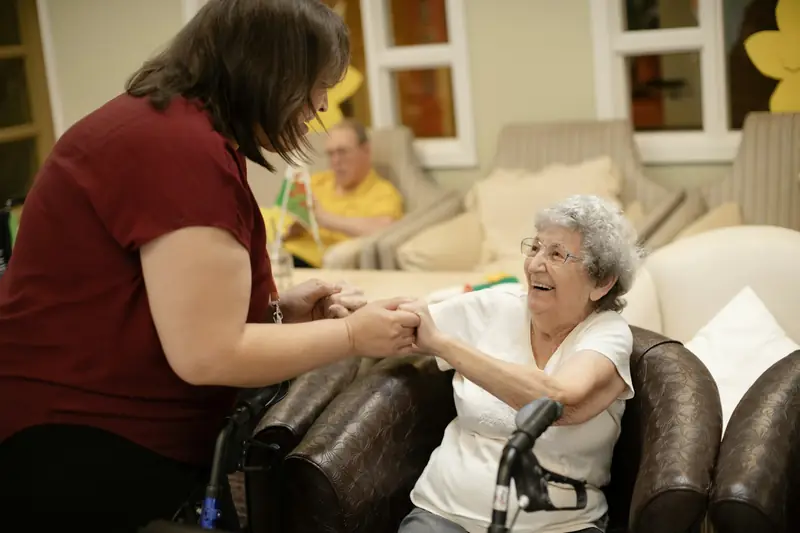
Coming home after surgery is a relief, but the first days and weeks can be hard. Moving is slower, everyday tasks are tiring, and there may be new instructions to follow. Non-medical help at home can make recovery calmer and safer, and give family members a break.
How a caregiver can help during recovery
- Help getting in and out of bed, chairs and the shower
- Steady support while walking, following the discharge instructions
- Preparing meals that match any dietary guidance
- Reminders to take medication on schedule
- Laundry, tidying and keeping walkways clear to prevent falls
- Rides to and from follow-up appointments
- Company and supervision, including overnight if needed
Plan before the operation if you can
Ask the hospital team what help will be needed and for how long. Book a caregiver before the surgery date so the first days are covered. Share the discharge plan with the caregiver, along with the names and numbers of the surgeon's office and pharmacy.
Home health vs. home care
If the doctor orders skilled services, such as wound care, injections or physical therapy, Medicare or insurance may cover visits from a certified home health agency. Those visits are usually short. A caregiver from CaregiverCrew can cover the many other hours of the day with non-medical help.
Caregivers do not change surgical dressings, manage drains or give injections. Call the surgeon's office about any warning signs, and call 911 in an emergency.